How to Generate Referrals Without Sounding Salesy
Nine out of ten of your past clients would recommend you. Only a fifth of your business comes from their referrals. That gap is the whole problem.
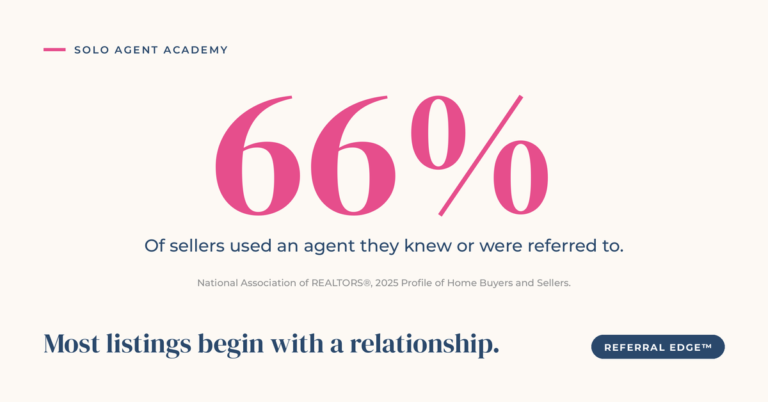
91% of buyers say they’d use their agent again or recommend them. 87% of sellers say the same. And yet referrals from past clients make up only about 21% of the typical agent’s business.
That gap isn’t a service problem. Your clients are happy. It’s a memory problem — they forgot you by the time someone asked.
For thirty years the industry has treated referrals as a sales skill: ask at closing, ask on follow-up calls, ask in the newsletter, ask whenever someone compliments you. And asking still feels awkward, forced, a little desperate. The wording was never the issue. The industry has just been focused on the wrong part of the process.
Referrals Don’t Happen When You Ask
Think about the last time you referred someone. It didn’t happen because they asked you that morning. It happened because a need came up — a coworker mentioned moving, a neighbor talked about selling — and a name came to mind.
That moment of recall creates the referral. The ask, if there ever was one, happened months earlier. The remembering happened when it mattered. That one distinction changes everything about how you should spend your time.
The Gap the Data Exposes
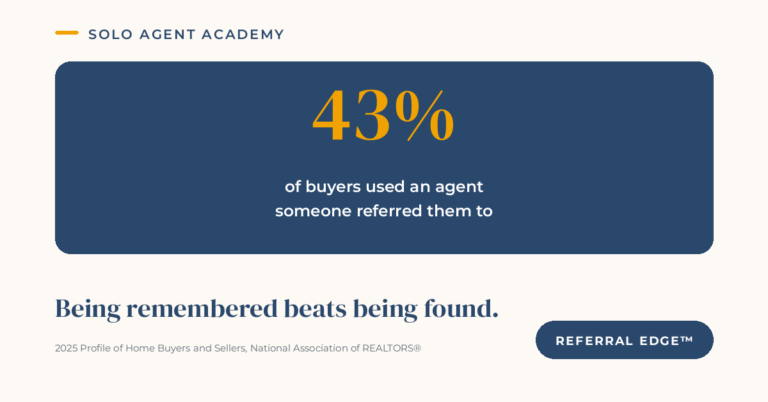
Relationships drive this business. The NAR 2025 Member Profile shows 41% of the typical agent’s business comes from repeat clients and past-client referrals.
| Source | Share |
|---|---|
| Repeat clients | 20% |
| Referrals from past clients | 21% |
| Combined | 41% |
Source: National Association of REALTORS®, 2025 Member Profile (median).
Now set two numbers side by side. 91% of clients would recommend you. 21% of your business actually comes from their referrals.
Sources: NAR 2025 Profile of Home Buyers and Sellers (would-recommend rate); NAR 2025 Member Profile (referral share of business).
If clients are happy and willing to recommend you, why aren’t more referrals happening? Because satisfaction doesn’t create referrals. Memory does.
The Two Things the Industry Teaches
Referral training splits into two camps. The first says ask: “Who do you know that’s buying or selling?” “The greatest compliment is a referral.” The belief is that people want to refer you — they just need the nudge.
The second, built by programs like By Referral Only, says build relationships: stay connected, serve well, become trusted. The belief is that people refer people they trust.
Both are really chasing the same thing: making you more likely to be remembered later. Neither names the actual mechanism.
What Solo Agent Academy Believes
The challenge isn’t asking. It’s staying memorable after the transaction ends.
An agent can give great service, earn glowing reviews, and stay in touch — and still create zero referrals if they’ve faded from the client’s mind six months later.
Most referral training is about behavior. Almost none of it is about memory. But memory is the bridge between great service and the next referral. The referral happens when someone remembers you — not when you ask.
How a Referral Actually Happens
Every referral runs the same path, whether you see it or not:
Service earns a good experience. Trust gets reinforced through communication and reviews. Visibility keeps you mentally available — community presence, useful content, market updates. Recall is the make-or-break stage: when the opportunity appears, does your name come up? Only then does the referral happen.
The industry starts at the last step. The real work is in the four before it. Consistent visibility builds familiarity. Familiarity builds recall. Recall creates opportunity. Asking doesn’t move that sequence. Being remembered does.
A Story From My Own Business
I listed a home in Alaska, and after it sold, I stayed in light, practical contact with the seller. No referral campaign. No constant asking.
Months later, their neighbor called me. He’d seen the signs. He’d heard about his neighbor’s experience. He knew my name — so when he was ready, he called. That became another listing.
Nobody ever sat down and “referred” me. Visibility and familiarity created recall, and recall created the opportunity. People don’t refer the agent who asks the most. They refer the agent they remember first.
Five Ways to Generate Referrals Without Sounding Salesy
1. Aim to be remembered, not requested
Stop asking “Who do you know?” Start asking yourself “What makes me memorable six months from now?”
2. Stay visible after closing
Most agents vanish once the deal closes. Visibility builds familiarity. Familiarity builds recall.
3. Share useful information
People remember the helpful agent longer than the promotional one. Education builds authority, and authority builds trust.
4. Use reviews to build trust, not to chase referrals
Reviews validate your reputation and support referrals. They rarely create them on their own.
5. Get known in a specific market
The more specific your expertise, the easier you are to remember. Generalists get forgotten. Specialists get recalled.
The Better Question
For years the industry asked, “How do I get more referrals?” The better question is, “How do I become the first person people think of when a referral opportunity appears?”
One is about asking. The other is about recognition — and recognition is what decides who gets the call.
Nine out of ten of your clients would recommend you. The gap between that and your actual referral business isn’t service. It’s memory. Close it by staying visible, trusted, and relevant long after closing day.
Referrals don’t happen when you ask. They happen when someone remembers.
One Next Step
The Local Authority Brief™ shows you how to stay the name your past clients remember — one practical visibility move each week, no awkward asking required.
Subscribe to The Local Authority Brief